






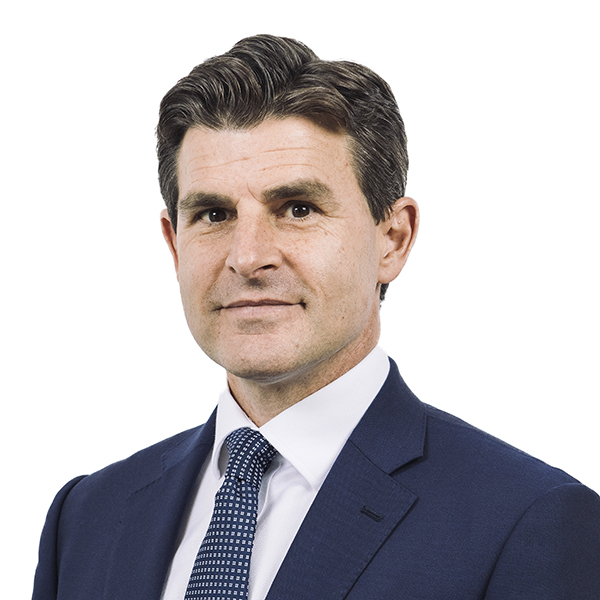
In this video update, ICG’s Head of Economic and Investment Research, Nicholas Brooks, gives a big-picture overview of the economic and geopolitical landscape.
He sets out three key risks to resilience and draws on ICG’s proprietary private company database to show what is happening on the ground.
Watch
Key moments
0min 15:
“The key theme of the past few years has been resilience. The global economy and markets have been far more resilient to the many shocks over the past few years than most people expected. COVID, Russia’s invasion of Ukraine, the Trump tariffs, and now the war in Iran have so far only had temporary effects on economies and markets.”
4min 33:
“I’d argue that one of the main reasons we haven’t seen a bigger impact [from the spike in energy prices], either this time or in 2022, is that major developed economies have become far less sensitive to fossil fuel prices than they were 20, 10, or even five years ago. […] Energy prices at current levels may cause growth to slow over the next 12 months or so but are unlikely to cause a deep recession.”
9min 27:
“France is also now in investors sights. French sovereign spreads over Bunds have widened to their highest level since 2011 as the government struggles to reduce its fiscal deficit. I think things could get worse in the near term, but I’m less concerned over the medium term. The main reason is that there is a genuine attempt in France to bring the deficit down. […] The current government is aiming for a deficit of around 5% of GDP in 2027 and is targeting it to go lower in the coming years. Whether the budget is forced through parliament without a vote (as it was in February 2026), bypasses parliament altogether by ordinance as mentioned as an option by the Finance Minister, or a new government pushes it through, the commitment to reducing the deficit is there. This should ultimately stabilise the bond market.”
11min 04:
“While the operating environment may become more difficult and idiosyncratic risks may rise in the coming year, I think the risk of a systemic crisis or deep recession remains low. The main reason is that in aggregate, corporate, household, and bank balance sheets are still strong.”
Go deeper
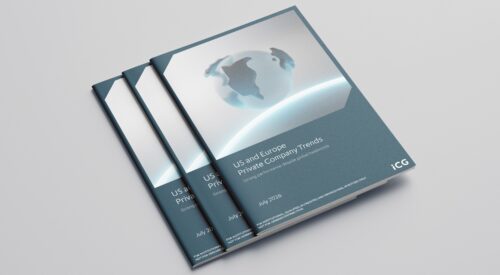
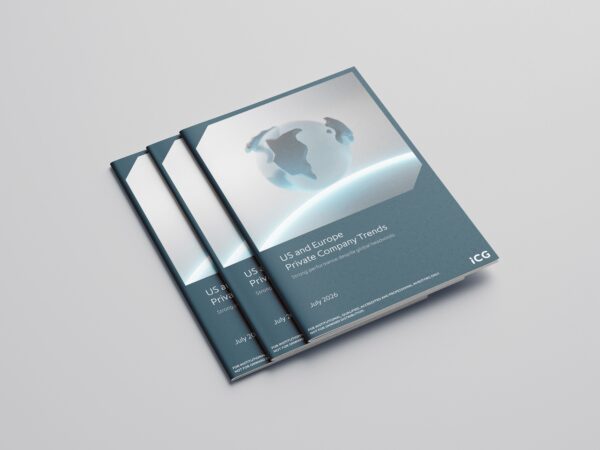
- Explore Nicholas’ US and Europe Private Company Trends report: executive summary on the ICG website, full report on the ICG Client Lounge
 Back